
- Date
- January 17, 2002
Estonia and Latvia have each introduced "integration policies" to address the specific situation of their large minorities, mostly Russian speakers. In both countries, the European Union has provided political and financial backing for these programs. A primary objective of the programs is to ensure bilingualism among minority individuals, and the approaches are strikingly similar in both countries.
In this article, the author looks briefly at the history of spoken languages in both counties, the regulations introduced during the time of independence, and the specific recommendations of the European Commission in the context of accession.
Download
-
Estonia, Latvia and the European Commission: Changes in Language Regulation in 1999-2001 (215.51 Kb pdf file)
Download the complete article.
Read more
Resilience in Moldova
Q&A: Moldova’s Path to a European Future
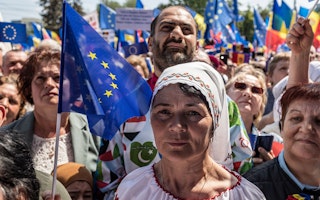
Moldova has endured the Kremlin’s aggression because it has chosen to leave Russia's sphere of influence and supports Ukraine. The impact of the war on daily life—and why the nation is determined to join the EU.
Rethinking the EU
In an Age of Crisis, an Opportunity to Remake the EU

From climate change to rising authoritarianism, Europe is facing a range of crises that threaten the way we live. The EU must seize the opportunity to reshape how it works and rethink what role it plays in a changing world.
Corporate Responsibility
Q&A: Why (Some) Investors Want More Regulation

As the EU works on rules to protect worker rights and the planet from corporate harm, Open Society’s Jon Jacoby spoke to Anita Dorett, of the Investor Alliance for Human Rights, about how investors are pushing for change.