
- Date
- July 1, 2003
Civil society is more than the sum of citizens’ associations (which are themselves more than NGOs). Civil society constitutes a distinct part of the public sphere, parallel, but separate from the state. All organized groups outside the state structure and trying to work on a non-profit basis for the general interest are a part of civil society.
The importance of this sector has had a vigorous increase over the years. The prestige of civil society organizations (CSOs) is also growing. Alexis De Toqueville’s "On Democracy in America" linked the strength of American democracy with the large number of citizens’ associations. In this vein Gabriel Almond and Sydney Verba ("Civic Culture") or Robert Putnam ("Making Democracy Work") have stressed the importance of civic participation in strengthening democracy, giving implicit or explicit credit to CSOs.
This article examines the growth of CSOs and NGOs and how civil society can be used to combat corruption.
Download
-
Great Expectations - Can Civil Society Tackle Corruption in Central and Eastern Europe? (228.77 Kb pdf file)
Download the complete article.
Read more
Navalny’s Legacy
Night Country: The Mysterious Death of Alexei Navalny in Putin’s Russia
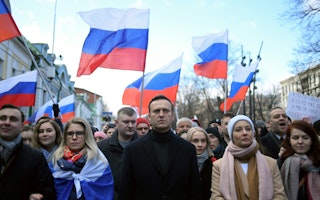
Alexei Navalny’s death underscores the paradox of Russian power—that the voice of one man imprisoned and isolated in the Arctic should be such a threat.
Fighting Corruption
A Global Forcefield of Accountability
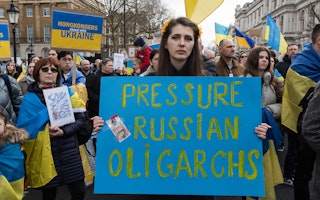
Magnitsky sanctions and their like have emerged as powerful tools for fighting corruption and upholding human rights. But some fixes are urgently needed to strengthen their ability to hold kleptocrats accountable.
Deadly Corruption
Justice for Victims of the Beirut Blast

It has been two years since an apocalyptic explosion at Beirut’s port killed hundreds and wounded thousands. One lawyer’s quest for justice in a land where it is hard to find.