- Date
- February 2012
- Author
- Sandor Karacsony
This policy brief by Roma Initiatives consultant Sandor Karacsony outlines a results-based monitoring and evaluation (M&E) framework developed at recent workshops organized by the World Bank in Bulgaria and Slovakia—in partnership with the respective governments, the Open Society Foundations, the United Nations Development Programme, the European Commission, and the Poverty Action Lab Europe.
While there is no shortage of myths and beliefs about the Roma, Europe’s largest and most disenfranchised minority, data, information, or factual knowledge of any kind is desperately missing from the public dialogue surrounding Roma inclusion. One of the main reasons behind this unfortunate phenomenon is that governments—particularly in Central and Eastern Europe—have little or no information about whether policy efforts over the years have actually made a difference in the lives of Roma communities. This lack of awareness comes with all the dangers of policy myopia, ranging from governmental overconfidence to pushing obsolete or ineffective policies to stopping programs that have actually worked. The highest price, however, is the inability to demonstrate inclusion results to society, which indirectly contributes to the current Europe-wide flare-up of racist and anti-Roma sentiment.
Knowledge about inclusion comes from facts based on reliable data and information, which only a robust M&E framework is able to deliver. M&E of Roma inclusion policies is therefore no longer an option: it has to become an essential component of policy interactions at the national level—and it has to be done right.
Read more
Voices In Depth
Inside the Archives: George Soros and the Fight for Roma Dignity

For over 40 years, George Soros has been the leading private supporter of Europe’s Roma—the continent’s largest and most excluded ethnic minority—championing Roma leaders in their fight for equality and against deep-rooted discrimination.
Roma Rights
A New Roma-led Vision of Power
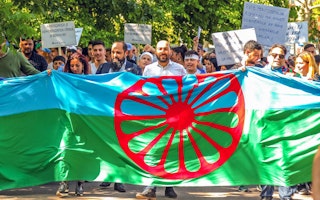
The new, independent, Roma Foundation for Europe is backed by a €100 million pledge that builds on Open Society’s over 30 years of support for Roma causes.
Roma Rights
Q&A: A Step Toward Justice for Roma Women
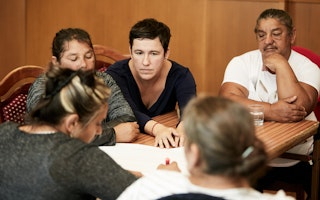
In November, the Slovak Republic formally apologized to Roma women for a program of forced sterilizations that stretched out for decades. How a Slovak human rights group helped hold the government accountable.