You Don’t Have to Be a Doctor to Save a Life
By Becky Tolson
Last week, I may have saved my 13-year-old son’s life by injecting him with the “Epi-pen” he carries in his backpack every day. He accidentally ate something containing milk, the ubiquitous ingredient that seems to be in almost every food product that a 13-year-old would want to consume. Even a minute trace of it can cause him to experience anaphylaxis, a life-threatening immune system response that is reversible almost immediately through the injection of epinephrine. Ever since he was three years old, we have carried the Epi-pen everywhere we go, and now he does himself.
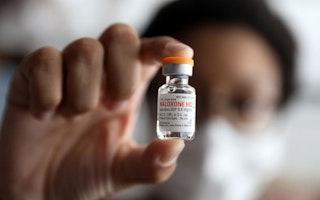
As I watched my son recover in the emergency room, I was struck by how this personal crisis parallels some of my professional work at the Open Society Foundations’ International Harm Reduction Development Program (IHRD). Over the past four years, we have advocated for greater availability of naloxone, a lifesaving medication which reverses opiate overdoses, at the community level—urging doctors to put the medicine in the hands of family, friends, and those experiencing a potentially fatal overdose themselves.
Time after time I have watched testimonials of parents and others who spoke powerfully about how someone they loved had been saved because naloxone was available to them and could be used immediately, or about loved ones who could have been saved, had the medication been in their hands. Sadly, unlike Epi-pens in the United States, naloxone is not generally available by prescription in many countries, despite the fact that it has no potential for misuse and is easily administered. Nor is naloxone always available in ambulances or emergency rooms, as epinephrine is for those suffering from severe allergic reactions.
When I grabbed the Epi-pen from my son’s backpack, and injected him through his pant leg, his symptoms began to subside within seconds. The sense of empowerment I experienced seemed akin to what people have described when they are able to reverse an overdose with naloxone, and the policy lesson was clear: No one wants to have another person’s life in his or her hands, especially the life of a loved one, but whether you are talking about an overdose or anaphylaxis, you don’t have to be a doctor to save them.
Until January 2014, Rebecca Tolson was the deputy director of the International Harm Reduction Development Program in the Open Society Public Health Program.