Safety and Resilience
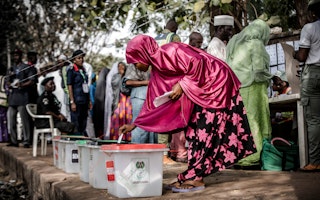
In Nigeria’s ‘Food Basket,’ Communities Are Working to Break a Cycle of Violence
In Nigeria, the people of Benue State are building a new model of public safety that bring law enforcement together with local communities to find solutions based on mutual trust, partnership, and accountability.

Justice for Ukraine
To Stop Russia’s Next War, We Need Justice for This One

The international courts are pursuing Russian for its crimes in Ukraine, but not for the planning, preparation, and execution of the invasion itself. A new Special Tribunal for the Crime of Aggression against Ukraine will hold Russia to account.
Countering Hate
The Attack on the San Diego Mosque Is Not an Isolated Incident

In the wake of an attack on a mosque in San Diego, Laleh Ispahani writes on why solidarity is critical to countering hate—and foundational to creating the democracy that we all deserve.
Inside Open Society
Why Catalytic Capital Matters Now More Than Ever

Inclusive economic development and democracy go hand in hand. Soros Economic Development Fund, the impact investment arm of Open Society, deploys catalytic capital to address the challenges facing democracy and open society.
Topics
Latest Voices
National Security and Human Rights
Rebuilding and Resilience: 20 Years Since 9/11
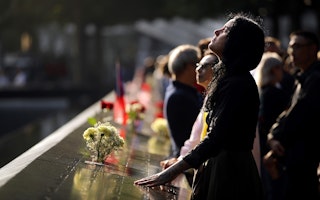
On the 20th anniversary of the 9/11 attacks, Open Society shares reflections from partners on the road traveled since—and the hard work still ahead.
New Approaches
The Open Society Foundations Move Ahead on Transformation
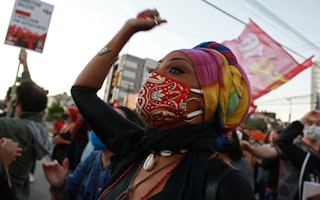
From pandemic recovery to the crisis in Afghanistan, the world’s largest human rights philanthropy is responding to new challenges even as it pushes forward fundamental changes in the way it works.
Data Innovation
Q&A: How Does Your Government Score on Rights?
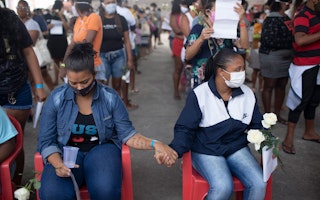
Rights Tracker is a systematic effort, developed by a global, not-for-profit research collective, to measure governments’ rights performance.
Arts, Culture in Lebanon
Art in a Time of Turmoil: The View from Lebanon

A year ago this August, Beirut was rocked by a deadly explosion, compounding political strife and the toll of COVID-19. How local culture and arts groups’ show of solidarity helped to nourish a devastated nation.
WAR IS OVER?
How the United States Fueled a Global Drug War, and Why It Must End
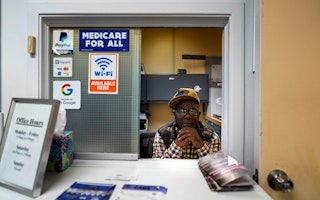
As U.S. domestic drug policy reform gains momentum, it is time the United States makes a concerted effort to de-escalate the failed war on drugs elsewhere.
A New Era
The Future of the Open Society Foundations
Because the challenges to open society today are so different than they were 30 years ago, Open Society is enacting an ambitious and bold transformation to ensure the future of human rights and human dignity.
Justice for All
Q&A: A Different Approach to Disability

Gerard Quinn, the UN Special Rapporteur on the Rights of People with Disabilities, explains how he’s using his office to boldly push for a more inclusive world.
WOMEN'S RIGHTS
Challenging Mexico’s Abusive Preventative Detention System
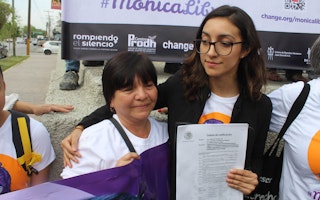
Mónica Esparza’s case is one of the most notorious cases of extreme gender violence carried out by Mexican authorities. What her story teaches about how to combat the country’s scourge of gender-based violence.
The Time Is Now
Where Roma Rights and Environmental Justice Meet
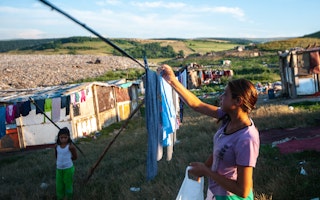
Leaders in the EU are confronted with a dual obligation—to restore healthy environments for Roma, and to do so with the full participation of Roma communities themselves.
ECONOMIC JUSTICE
A Looming Debt Crunch Demands New Thinking
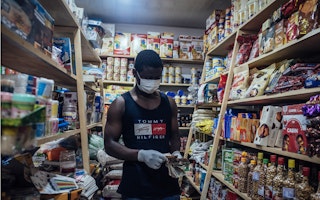
Policymakers worried about the post-pandemic global economy need to take a hard look at the impact of credit rating downgrades on indebted countries.